Most businesses have plenty of data. The problem is working out what it means when a decision has to be made.
Can we bring a delivery date forward? Do we have enough qualified people for next week's work? What happens to production if a supplier is late? Answering these questions means looking across schedules, resources, costs, commitments and the rules that govern the work.
General-purpose AI can help people find and summarize information. But it does not automatically know how a business operates or which records and dependencies matter to a decision. This is where vertical AI comes in.
What is vertical AI?
Vertical AI is AI designed for a particular industry. It uses the industry's terminology, processes and rules, along with information about the organization using it.
Horizontal AI tools are designed to handle a broad range of tasks. They are useful for writing, research and general questions. Vertical AI is intended for more specific work, such as planning, scheduling, assessing risk and deciding where resources are needed.
The distinction is not necessarily the AI model itself. A general-purpose model can be useful in an industry application when it has access to the right business information and tools. What matters is the information it can use and how that information is organized.
| Aspect | General-purpose AI application | Industry-specific decision-support application |
|---|---|---|
| Designed for | A wide range of tasks | A particular industry's work and decisions |
| Information used | Prompts, documents and connected sources | Current business records organized around industry concepts |
| Relationships | May infer dependencies from available material | Can use dependencies defined in the business model |
| Typical uses | Writing, research and summarizing | Planning, scheduling, resourcing and risk analysis |
Why industry knowledge matters
Consider a construction company deciding whether a project can finish on time. It needs more than a list of incomplete tasks. It needs to know whether materials will arrive, which crews are available, what approvals are outstanding and how a delay in one activity affects another.
The same principle applies in other industries. A hospital needs to match staff qualifications to care requirements. A manufacturer needs to understand how a missing component affects orders. A production studio needs to see whether its people are already committed to other projects.
To work with these questions, AI needs relevant business context, explicit requirements and access to the appropriate data and tools.
Vertical AI can be implemented in different ways. JanusKS uses industry-specific ontologies and knowledge graphs to give AI a connected model of the business, supporting operational analysis, scenario planning and recommendations.
Industry ontologies
An ontology defines the important things in an industry and the relationships between them. These might include projects, tasks, staff, skills, assets, suppliers, contracts and milestones. It can also describe rules, such as the approvals required before work starts.
JanusKS develops an ontology around the organization's own operations, drawing on the relevant industry concepts and the customer's terminology, processes and constraints. See What is an ontology?.
Knowledge graphs
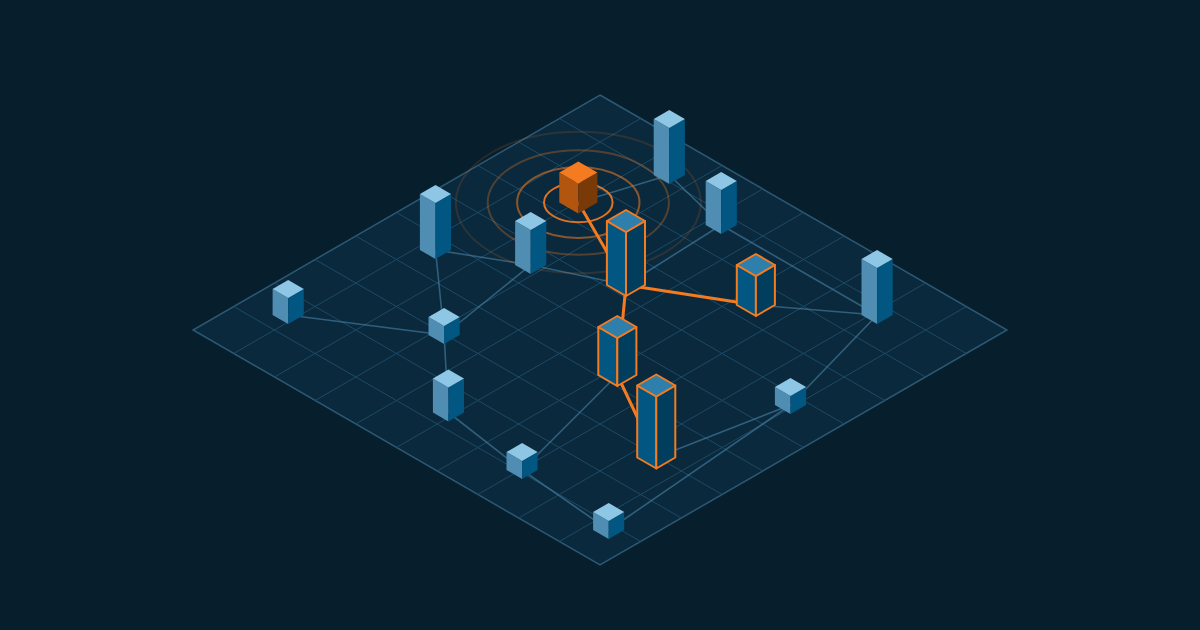
A knowledge graph connects records using those relationships. Rather than treating a supplier, a delivery, a task and a milestone as separate entries, it shows how they are related.
If a delivery is delayed, the organization can identify the work that depends on it and assess which commitments may be affected. That depends on the relevant records being connected and kept up to date. See What is a knowledge graph?.
History
The current plan is only part of the picture. It also helps to know what changed, when it changed and how previous decisions turned out.
Keeping this history allows teams to compare planned and actual outcomes and identify patterns across projects and periods. JanusKS provides this through Insights & Temporality.
How it works in practice
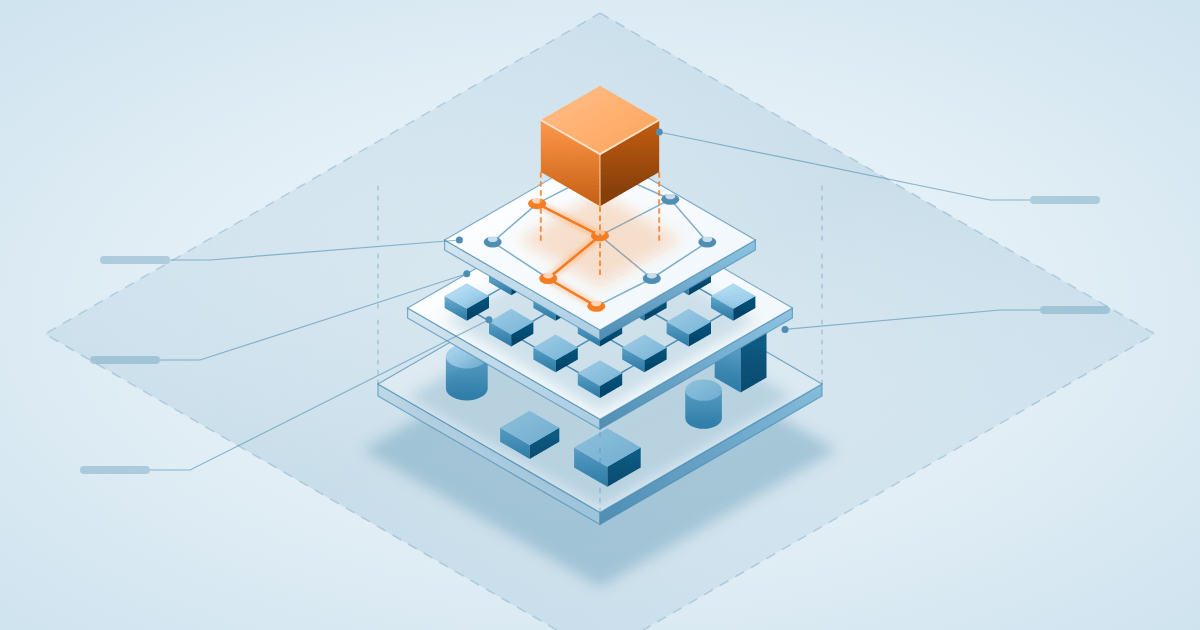
JanusKS develops a business-specific ontology and uses it to organize information connected from the customer's existing systems. That information can then be used to investigate issues, compare scenarios and recommend actions. The people responsible for the work still make the decisions.
Suppose a manufacturer learns that a component will arrive late. The connected model identifies the production orders that require it, their assigned machines and operators, and the customer commitments they support. Planning tools can compare alternatives, such as bringing other work forward or changing the production sequence. Management can then review the expected cost and delivery effects before approving a revised plan.
The value comes from connecting industry knowledge, current records and practical planning tools around a decision the business needs to make.
The main capabilities used in each IDSS are:
- Data Ingestion connects information from existing systems.
- Knowledge Graph records the relationships between people, work, assets and other business information.
- Insights & Temporality keeps track of changes and past outcomes.
- Scenario Planning lets teams compare options before making changes.
- Recommendations & Alerts identifies issues and suggests actions for review.
AI agents can use these capabilities to investigate questions and propose next steps. Access permissions and approval rules determine what an agent can see and do. Read more in AI agents with guardrails.
Examples across industries
The details vary by industry, but the objective is similar: understand what is happening, what might happen next and what can be done about it.
| Industry | Information to connect | Example decision |
|---|---|---|
| Building & Construction | Crews, tasks, materials, approvals and milestones | Which activities and deadlines are affected by a late delivery? |
| Healthcare & Aged Care | Rosters, qualifications, care requirements and facilities | Are enough appropriately qualified staff available for next week's roster? |
| Banking & Finance | Customers, ownership, exposures, collateral and limits | Are separate exposures linked to the same underlying risk? |
| Heavy Industry & Energy | Assets, maintenance, permits, contractors and spare parts | Is the planned maintenance work ready to proceed? |
| Manufacturing | Orders, suppliers, materials, equipment and skills | Which orders are affected if a component is unavailable? |
| Media & Production | Projects, tasks, staff, bookings and budgets | Can we take on another project with the people available? |
These are examples of the questions vertical AI can support when the necessary information and rules are in place.
What does this change for management?
The main benefit is having a clearer picture before making a decision.
Understand the impact of a change. If a supplier, team or piece of equipment becomes unavailable, managers can see which activities rely on it.
Compare possible responses. A team can examine the effect of moving a deadline, reassigning staff or changing a work sequence before making the change in its live systems.
Check the basis of a recommendation. Decisions can be reviewed against the records and assumptions used to produce them. This matters when cost, delivery or compliance is involved.
Keep useful business knowledge. Rules and dependencies that experienced staff understand can be documented and made available to others. This reduces reliance on knowledge held by a few individuals.
None of this removes the need for sound data or professional judgment. Missing records, incorrect relationships and outdated rules will affect the results. The people accountable for a decision must still review the information and decide what to do.
Data security and control
Operational information can include commercial agreements, financial data, staff details and other sensitive records. Organizations need to know where that information is held and who can access it.
Each JanusKS IDSS runs in its own isolated environment, separate from other customers' IDSS deployments. Deployment arrangements are aligned with the organization's security, data location and sovereignty requirements.
JanusKS addresses these requirements through Data Sovereignty, Local & Air-Gapped AI, and Security & Governance. Permissions, approvals and audit records also apply when AI agents connect to business systems through MCP & Integration.
Before using AI to support important decisions, organizations should be clear about which information it can access, which actions need approval and how decisions are recorded.
Where to start
Start with a decision that is made regularly and involves information from several systems or teams. For example, whether to accept new work, change a production schedule or bring forward a maintenance activity.
Identify the records, people and rules needed to answer it. Connect that information, check its accuracy and establish how the result will be measured. It makes sense to begin with analysis and recommendations before allowing any changes to live systems.
A useful first project should answer a specific question and show whether the answer improves on the current process. Once that has been demonstrated, the same connected information can support other decisions.
How JanusKS approaches vertical AI
JanusKS builds Intelligent Decision Support Systems (IDSS) that combine customer-specific ontologies, knowledge graphs, historical analysis and operational planning tools. It connects business information and supports scenario planning, recommendations and alerts, with AI agents operating under the organization's access and approval controls.
Projectal, the JanusKS product for media and entertainment, uses this approach to manage complex productions, staff, resources, schedules and budgets. See the Projectal case study.
JanusKS also builds IDSS for building and construction, healthcare and aged care, banking and finance, heavy industry and energy and manufacturing. Each engagement develops an ontology around the organization's information, rules and ways of working, with an IDSS deployed in its own isolated environment.
If there is an operational decision your organization finds difficult because the information is spread across systems, contact JanusKS to discuss how an IDSS can help.